
Biophilic Design: Creating an Emotional Sanctuary in Your Sydney Home
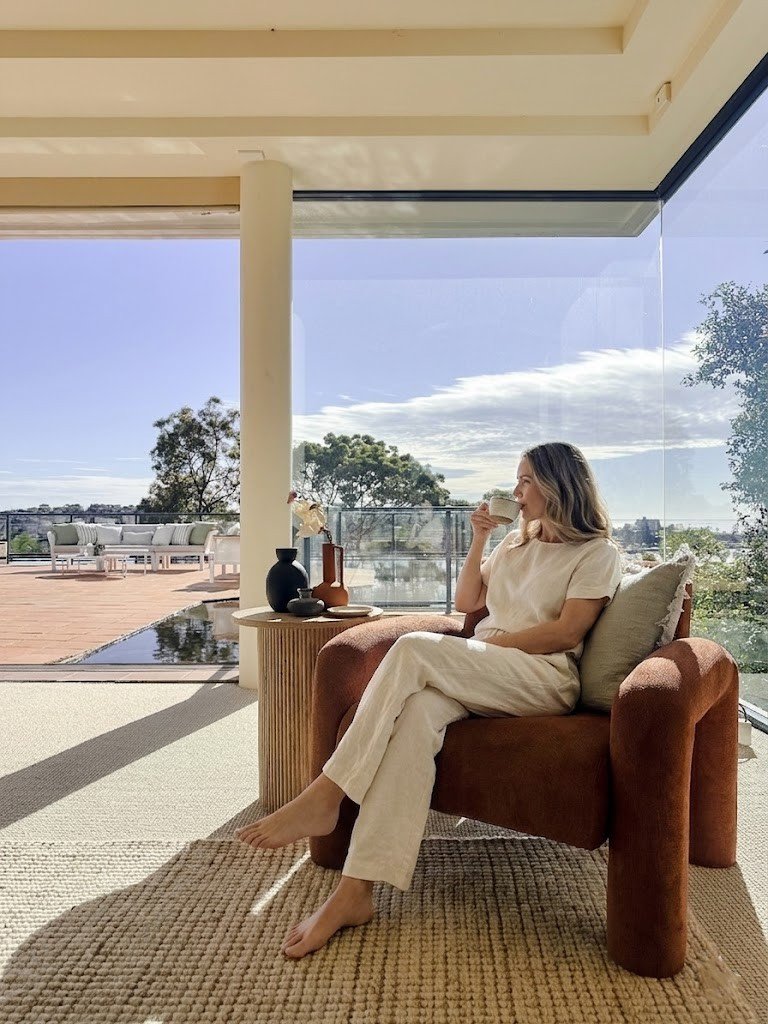
What if the most effective way to lower your stress levels wasn't a weekend away, but simply changing how you interact with your living room? We often spend our days in the rush of the Northern Beaches or the busy hubs of the North Shore, only to return to spaces that feel a little flat and disconnected from the world outside. It's a common feeling, but your home should be the one place where you can truly exhale. By embracing biophilic design, we can bridge that gap between the urban environment and the natural world, creating an emotional sanctuary that supports your well-being.
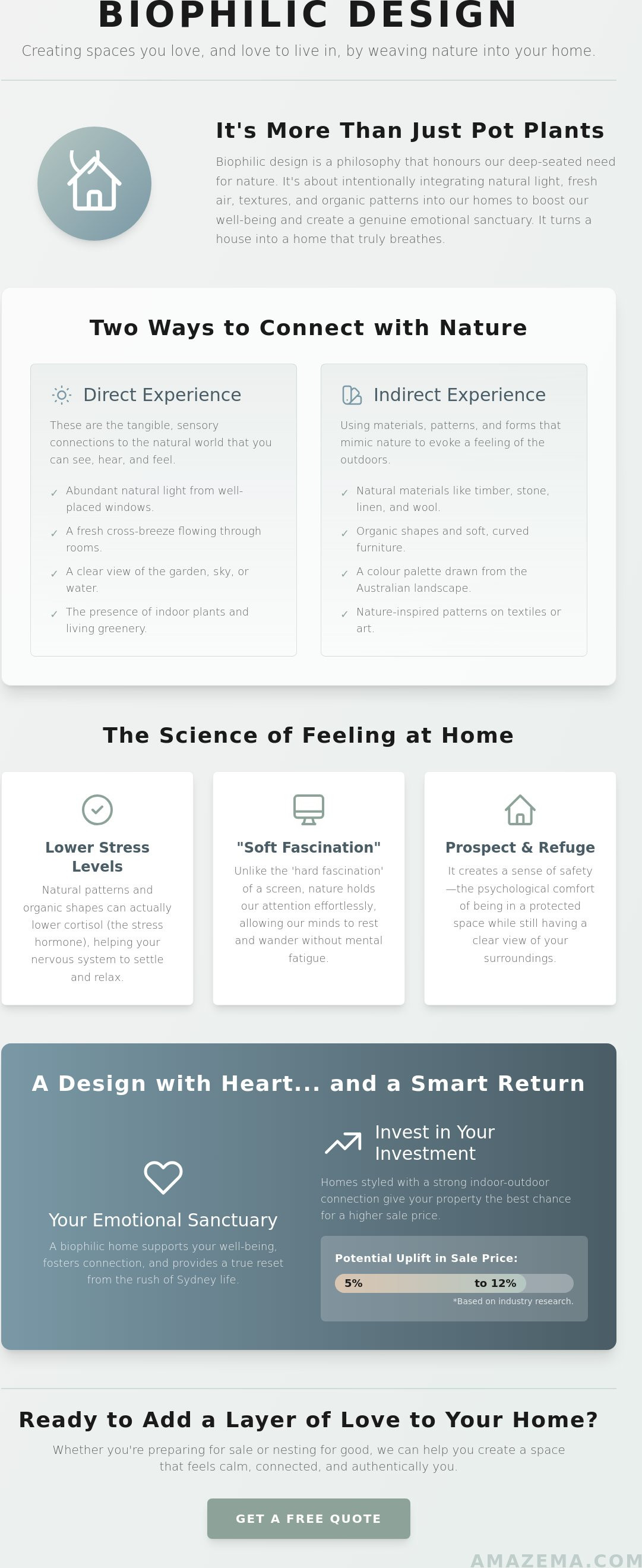
We know you value a home that feels authentic rather than staged, which is why we focus on design with heart. Research indicates that properties with a strong indoor-outdoor connection can see a return of 5 to 12 per cent more than comparable homes, but the real value is how the space makes you feel every single day. We've put together this guide to help you weave nature into your interiors through the little details, from reclaimed timber to strategic greenery. You'll discover practical styling tips to create a layer of love in your home, ensuring it's a space you love, and love to live in.
Key Takeaways
- Understand why biophilic design is about more than just indoor plants, focusing instead on how light, air, and texture soothe the soul.
- Learn the science behind "soft fascination" and how natural patterns can lower stress to create a genuine emotional sanctuary.
- Discover how to maximise Sydney’s unique light and use neutral colours to blur the lines between your garden and your living room.
- Follow our simple steps to audit your views and let the outside in, ensuring your space feels like a breath of fresh air.
- See how we use these principles in property styling to help you invest in your investment and give your property the best chance of a higher sale price.
What is biophilic design and why does it matter?
We've all had that moment where we step out of a stuffy office and into a park, feeling our shoulders drop and our breath deepen instantly. That's not just a nice feeling; it's a biological response wired into our DNA. What is biophilic design at its core? It's the practice of weaving that natural connection into the places we live and work. In Sydney, we're seeing a beautiful shift away from interiors that are purely about decoration toward homes that prioritise well-being. Whether you're in a leafy Federation home on the Upper North Shore or a sun-drenched cottage in Manly, your home should be an emotional sanctuary where you can truly recharge.
While many people think this approach is just about adding a few pot plants, it's actually much deeper. It involves how we use natural light, the movement of fresh air, and the tactile nature of the materials we touch every day. This philosophy helps us make each house feel like a home by honouring our primitive need for the outdoors. It's about creating a space that feels alive and responsive to your needs.
Direct vs indirect experiences of nature
To create a space you love, we look at nature through two distinct lenses. Direct experiences are the tangible things you can sense immediately. Think about the golden afternoon light hitting a hallway in Mosman or the sea breeze flowing through a beachside balcony. These elements are the foundation of a healthy home. We aim to maximise these natural gifts to ensure your interiors feel fresh and vibrant from top to toe.
Indirect experiences are just as powerful for the soul. We use these to add a layer of love through textures, organic shapes, and natural materials. This might mean choosing a linen sofa with a soft, rumpled texture or a timber dining table that shows its unique grain and history. When these direct and indirect layers work together, a room feels cohesive and grounded. It's a way to bring the outside in without it feeling literal or forced.
The difference between "green decor" and biophilic design
It's easy to mistake a single monstera in a corner for a biophilic approach. However, this is a holistic philosophy that integrates natural patterns into the very fabric of your lifestyle. We don't just want to style a room; we want to curate a feeling that resonates with everyone who walks through the door. Adding a plant is a lovely start, but it isn't enough to change the emotional resonance of an entire house.
We focus on the little details to ensure the whole environment supports your mood and energy. Biophilic design is the intentional integration of natural elements and patterns into our built environment to improve our health and emotional well-being. By focusing on how a room feels rather than just how it looks, we can help you invest in your investment and create a home that truly breathes.
The science of feeling at home: Why we crave nature
Why does a walk through the Ku-ring-gai Chase National Park feel so different from a walk through the CBD? It’s science. Research from the Global Wellness Institute on practical steps to biophilic styling shows that natural patterns actually lower our cortisol levels. When we’re surrounded by organic shapes and fractals, our nervous systems settle. For many of our clients in the Upper North Shore, life is a non-stop rhythm of meetings and school runs. You need a space that acts as a reset button. This is where "soft fascination" comes in. Unlike the "hard fascination" of a glowing phone screen, nature captures our attention effortlessly. It allows the prefrontal cortex to rest. This is a key part of our end-to-end interior design philosophy.
Sydney life can be relentless. Between the commute and the constant digital noise, our brains rarely get a chance to switch off. A home that feels alive and breathing provides that necessary contrast. When your environment reflects the natural world, it signals to your body that it’s safe to relax. We’ve seen how this shift transforms the way families interact in their spaces, turning a standard house into a design with heart. It’s about more than just aesthetics; it’s about your well-being.
Creating an emotional sanctuary
A home that breathes does more than just look pretty. It fosters deeper interpersonal bonds. When we feel relaxed, we’re more present with our families. One of the core tenets of biophilic design is the balance of "prospect and refuge." This is the psychological comfort of being able to see out over a view while feeling tucked away and safe. Think of a mid-century home in Castlecrag with large windows looking into the trees. You feel protected but connected to the wider world. This sense of security makes us feel more confident and grounded. It’s about creating a layer of love that supports your daily life.
Sensory design: Beyond the visual
To truly make each house feel like a home, we have to think beyond what we see. It’s about the little details you feel. The cool touch of a stone benchtop. The slight grain of a timber table. These tactile experiences ground us in the present moment. We also consider acoustics. Soft furnishings like wool rugs and linen curtains don't just add colour; they dampen the harsh sounds of suburban life. Even subtle natural scents can shift the energy of a room. This multi-sensory approach ensures your home isn't just a gallery, but a living, breathing sanctuary. If you're looking to bring this feeling to your own property, you can get a free quote to see how we can help.
Bringing natural patterns into your Sydney interiors
Sydney has a light all its own. It's often bright and crisp, from the coastal glare of the Northern Beaches to the soft, dappled sun under the gum trees of the Upper North Shore. To create a home that feels like a breath of fresh air, we have to work with this light rather than against it. Biophilic design isn't just about adding things to a room; it's about how the room breathes and flows. We love using neutral colours to mimic the natural palettes found in our local landscapes, such as the soft greys of eucalyptus bark or the warm tones of Hawkesbury sandstone. This creates a calm foundation. We then break up the rigid lines of modern architecture with organic shapes, like curved sofas or round timber tables, which feel more restful to the eye.
Air flow is another essential element that connects us to the outdoors. A house that feels closed off can quickly become uninspiring. We focus on layouts that encourage cross-ventilation, especially in beachside cottages where the sea breeze is a natural gift. It’s about making the boundary between inside and out feel almost invisible. This approach ensures your home isn't just a place to store furniture, but a space you love to live in.
The power of natural light and shadow
Don't just let the light in; play with it. We often use sheer curtains to dapple the sun, creating a sense of movement as the breeze catches the fabric. This subtle dance of light and shadow adds depth to even the simplest room. When we're working on renovation & new build design projects, we site furniture to take full advantage of garden views or the shifting canopy of trees outside. It grounds the space in its specific location and makes the interior feel expansive.
Organic textures and materials
Using materials like stone, timber, and wool is a beautiful way to ground a space. These elements bring a sense of history and permanence, especially in heritage homes on the Lower North Shore. We focus on the little details that add a layer of love, such as handmade ceramics or woven baskets. These materials age gracefully and develop a patina over time, adding character that mass-produced items just can't match. It’s a way to invest in your investment by choosing quality over quantity.
Water and its calming presence
You don't need a massive pool to enjoy the benefits of water. Subtle inclusions, like a small fountain in a courtyard or art depicting coastal scenes, can have a profound impact. The gentle sound of moving water provides excellent acoustic dampening, helping to block out the hum of suburban traffic. It creates a natural focal point for reflection and quiet thought. These small touches help make each house feel like a home, providing a sense of peace in our busy daily rhythms.
Practical steps to biophilic styling in your home
When we approach a new project, we often start with a pre-sale mindset. Even if you aren't planning to move just yet, thinking about what would make a buyer fall in love with a room helps you see your home through fresh eyes. A core part of biophilic design is removing the barriers between you and the natural world. Start by auditing your views. Clear the clutter from your windowsills and trim back any overgrown branches that block the light. You want to frame the outside world like a living piece of art. It’s one of those little details that changes the whole energy of a room and makes it feel more expansive.
Once the light is sorted, it's time to add a layer of love with greenery. Don't just line up pots in a row; use varying heights to create a sense of natural, organic growth. We love to mix and match natural textures from top to toe, combining wool rugs with timber accents and stone surfaces. We also suggest choosing furniture with soft geometry rather than sharp, clinical angles. A rounded coffee table or a curved armchair feels much more inviting and restful than something with harsh, modern edges. It helps the room feel like a sanctuary where you can truly exhale after a long day.
Styling for Sydney’s unique housing stock
Every suburb has its own distinct character, and your styling should honour that heritage. For our clients in the Northern Beaches, we lean into that airy, beachside cottage vibe with light timbers and plenty of salt-washed linens. In the Federation homes of the Lower North Shore, we often use botanical prints and rich, natural materials that feel grounded and sympathetic to the history of the house. If you’re lucky enough to live in a mid-century gem in the Upper North Shore, use those large glass panes to blur the line between your deck and the lounge. It's about respecting the architecture while making it feel like a home.
Small changes with a big impact
You don't always need a full renovation to see a significant difference in how a room feels. Swapping a synthetic rug for a natural jute or wool one instantly changes the tactile experience of the space. Try adding a mirror opposite a window to reflect a view of a Frangipani or Eucalyptus tree; it effectively doubles the greenery in the room. We also suggest organising a small nook near a window for your morning coffee. It’s a simple way to start your day connected to the rhythm of the outdoors. If you're ready to see how these considered touches can help your property stand out, get a free quote for our property styling services today.
Designing with heart: The Amazema approach
At Amazema, we believe every room tells a story. Our philosophy is built on creating spaces you love, and love to live in. It’s not about following a template or imposing a generic look. We use biophilic design as a tool to ground your home in its local environment, ensuring the interiors feel like a natural extension of the world outside. Whether we’re sourcing a weathered timber sideboard or a hand-woven wool throw, every piece is curated to feel authentic. This curated sourcing ensures your home feels like a personal sanctuary rather than a showroom.
Our approach is rooted in a design with heart. We prioritise the feelings a space inhabits, moving beyond the functional to create deep emotional resonance. By honouring the heritage and character of your property, we help you invest in your investment. We’re here to be a partner who cares as much about your well-being as the initial impression of the home. It’s about creating a layer of love that you can feel the moment you walk through the door.
Property styling for an emotional response
Our approach to property styling focuses on more than just aesthetics. We want potential buyers to do more than just look; we want them to feel. By integrating natural elements, we help buyers imagine themselves relaxing after a long day. Homes styled with a layer of love tend to feel more welcoming and "sold" before the hammer even falls. It gives your property the best chance of a higher sale price by highlighting its best features through a connection to nature. We use the little details to narrate the potential of a home, making it feel lived-in and loved.
End-to-end design for your sanctuary
If you're staying put, working with an interior designer allows you to build biophilia into the very bones of your home. From top to toe, we manage the little details so you don’t have to. We take a design with heart approach that respects the character of your house, whether it's a mid-century gem or a Federation classic. It's about finding that perfect balance between refined aesthetics and the raw beauty of the natural world. Call us today to discuss how we can bring natural harmony to your next project.
Your home, your sanctuary
Embracing biophilic design is more than a styling choice; it’s a commitment to your own well-being. By inviting nature into your daily rhythms, you create a space that feels alive and supports the people within it. Whether it’s the way the light hits your Federation hallway or the tactile comfort of a wool rug, these little details transform a house into a home. It’s about creating an environment where you can truly exhale at the end of a busy Sydney day.
With over 15 years of experience styling across the Northern Beaches and the North Shore, we understand the unique character of Sydney’s heritage and coastal properties. We’re here to help you curate a space that breathes, ensuring every corner reflects a design with heart. Call us today to start your interior design journey and let’s create a layer of love together. You deserve a home that feels like a breath of fresh air every time you walk through the door.
Common questions about biophilic design
What are the main principles of biophilic design?
The main principles of biophilic design focus on connecting people with the natural world through direct and indirect experiences. This includes maximising natural light, improving air flow, and using natural materials like timber or stone. It also involves creating spaces that offer both a sense of refuge and a view of the wider environment. We focus on these elements to ensure your home feels grounded and authentic.
Do I need a lot of plants for biophilic design to work?
You don't need a jungle of greenery for this approach to be effective. While plants are a wonderful direct connection to nature, it is equally about the little details like natural textures, organic shapes, and the play of light and shadow. A well-placed timber table or a linen curtain that catches the breeze can be just as impactful. It’s about the quality and intention of the elements you choose.
Can biophilic design help sell my house in Sydney?
Using these principles in property styling gives your property the best chance of attracting buyers who want an emotional sanctuary. Research indicates that homes with a strong indoor-outdoor connection and natural light typically sell for 5 to 12 per cent more than comparable properties. Homes styled by us tend to sell faster because they help buyers immediately feel at home during an inspection. It is a powerful way to invest in your investment.
How do I use biophilic design in a small apartment?
This approach works beautifully in smaller spaces by focusing on light and vertical elements. Use mirrors to reflect window views of trees or the sky to make the apartment feel more expansive. Incorporate natural textures like jute rugs or stone coasters to add a layer of love without taking up floor space. Even a small window nook for your morning coffee can create that vital connection to the outdoors and make the space feel less flat.
What are some biophilic colours for a living room?
The best biophilic colours for a living room are those that mimic the natural world around us. Think of the soft greens of moss, the warm sands of the Northern Beaches, or the deep charcoals of local stone. These palettes create a calm foundation that feels timeless rather than trendy. Using these tones helps a room feel more restful and connected to the specific Sydney landscape outside your door.
Is biophilic design expensive to implement?
Implementing these principles doesn't have to be a major investment. While renovations like adding larger windows carry a cost, you can start with smaller, impactful changes. Swapping synthetic fabrics for natural wool or linen and rearranging furniture to face a garden view costs very little. It’s about being intentional with your choices to make each house feel like a home, regardless of your starting point.
What are the best plants for a biophilic home in Sydney?
For a home in Sydney, we recommend hardy species that thrive in our local climate and light. The Kentia palm is a classic choice that adds elegant height and movement to a room. Zanzibar gems and Devil’s ivy are also excellent for their resilience in indoor settings. If you have a sun-drenched spot, local natives can bring an authentic touch of the Australian bush inside your sanctuary, helping the space feel fresh from top to toe.
How does biophilic design improve mental health?
This design philosophy improves mental health by reducing stress and helping our brains rest through "soft fascination." Being around natural patterns and light has been proven to lower cortisol levels and improve our overall mood. It creates a space that feels supportive and calming, which is essential for busy Sydney professionals. A home that breathes helps you stay grounded and more connected to your loved ones in your daily life.